

Более
PEOPLE HAVE ALREADY COMPLETED THE PROGRAM
BEFORE
Good endurance overall, but altitude sickness hit hard. No summits yet — only ski touring and downhill skiing. Took Diamox as a precaution.
AFTER
Two successful summits — Elbrus, then Kilimanjaro. Felt prepared and in control. Already planning the next expedition.
Anna Kalymova
Yoga instructor
ДО ПРОХОЖДЕНИЯ КУРСА
High heart rate made it hard to pick up pace. Frequent illness interrupted training for weeks at a time. Could spend 12 hours on the mountain — but barely.
ПОСЛЕ ПРОХОЖДЕНИЯ КУРСА
The program delivered practical, actionable advice. Strengthened my immune system, dialed in my training, added the right supplements, and reached 6,000m. Highly recommend.
Kristina Shevchenko
Data analyst
BEFORE
Decent fitness, but gaps in recovery support, occasional poor altitude tolerance, inconsistent results, and no real system.
AFTER
Performance metrics improved. I've adapted the training program to fit my schedule and maintain consistent form year-round. No more crashes or overtraining.
Olga Fiyas
Entrepreneur
BEFORE
Climbs were the hardest part. Started my first training cycle at 70% capacity due to weak running base — despite solid strength.
AFTER
By the end of the first cycle, sleep and overall wellbeing had both improved significantly. Kilimanjaro is now on the calendar for February.
Elizaveta Zotova
Dentist
BEFORE
Good endurance, but calf pain and long flat stretches were tough. Reached 5,100m on Elbrus and felt reasonably well.
AFTER
My understanding of preparation has expanded dramatically. I now have a clear training structure and, for the first time, a real recovery strategy.
Nadezhda Yurkevich
Entrepreneur
BEFORE
I realized I had no proper system — no bloodwork, no tracking, no structure. I was training on hope.
AFTER
Preparing for big peaks no longer feels intimidating. I have a clear framework for both physical preparation and health monitoring.
Liana Komarova
Physician
BEFORE
My fitness wasn't the issue — I've trained consistently for 6 years. The problem was my body couldn't recover through food or sleep at altitude. I was sick every night.
AFTER
Now I understand exactly how to prepare my body for hypoxia.
Darya Sycheva
HR Manager
BEFORE
High heart rate made it hard to pick up pace. Frequent illness interrupted training for weeks at a time. Could spend 12 hours on the mountain — but barely.
AFTER
The program delivered practical, actionable advice. Strengthened my immune system, dialed in my training, added the right supplements, and reached 6,000m. Highly recommend.
Kristina Shevchenko
Data analyst
BEFORE
Good endurance overall, but altitude sickness hit hard. No summits yet — only ski touring and downhill skiing. Took Diamox as a precaution.
AFTER
Two successful summits — Elbrus, then Kilimanjaro. Felt prepared and in control. Already planning the next expedition.
Anna Kalymova
Yoga instructor
BEFORE
Decent fitness, but gaps in recovery support, occasional poor altitude tolerance, inconsistent results, and no real system.
AFTER
Performance metrics improved. I've adapted the training program to fit my schedule and maintain consistent form year-round. No more crashes or overtraining.
Olga Fiyas
Entrepreneur
BEFORE
Climbs were the hardest part. Started my first training cycle at 70% capacity due to weak running base — despite solid strength.
AFTER
By the end of the first cycle, sleep and overall wellbeing had both improved significantly. Kilimanjaro is now on the calendar for February.
Elizaveta Zotova
Dentist
BEFORE
Good endurance, but calf pain and long flat stretches were tough. Reached 5,100m on Elbrus and felt reasonably well.
AFTER
My understanding of preparation has expanded dramatically. I now have a clear training structure and, for the first time, a real recovery strategy.
Nadezhda Yurkevich
Entrepreneur
BEFORE
I realized I had no proper system — no bloodwork, no tracking, no structure. I was training on hope.
AFTER
Preparing for big peaks no longer feels intimidating. I have a clear framework for both physical preparation and health monitoring.
Liana Komarova
Physician
BEFORE
My fitness wasn't the issue — I've trained consistently for 6 years. The problem was my body couldn't recover through food or sleep at altitude. I was sick every night.
AFTER
Now I understand exactly how to prepare my body for hypoxia.
Darya Sycheva
HR Manager


Do you guarantee a successful summit?
We don't — because conditions like weather are outside anyone's control. What we do guarantee is that you'll have the knowledge, tools, and protocols to manage everything within your control. You'll go in more prepared than you've ever been.
I’m worried I won’t be able to reach the summit
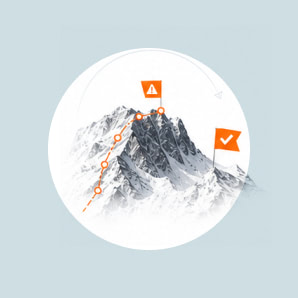
Fear at altitude almost always comes from uncertainty. Our step-by-step preparation plan replaces the unknown with a clear process — and with that clarity comes confidence.
I’m concerned my body won’t cope with the altitude
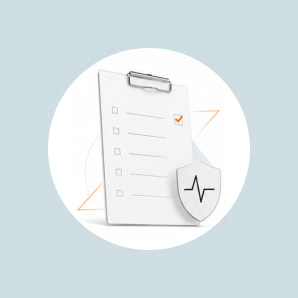
We provide a full medical screening checklist. Once you complete it, we build your preparation plan around your specific health baseline.
I've had failed summits before
Many of our participants come to us after a setback. We analyze the most common failure factors — poor conditioning, inadequate acclimatization, physical limits, and fear from lack of knowledge — and build a plan that addresses each one directly.
I've experienced pulmonary or cerebral edema on a climb
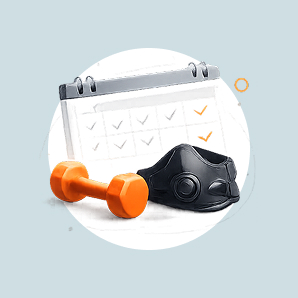
Our methodology addresses this directly. We use low-oxygen training protocols in home conditions, provide a self-monitoring framework for altitude, and include a specialized device for tracking your adaptation in real time.
Sole Proprietor Irina Zelenkova
TIN 774333061554, OGRNIP 324774600658682
Используя наш сайт, вы даете согласие на обработку файлов cookie и пользовательских данных.